
The Marie Skłodowska-Curie Actions (MSCA) are turning 30. Since their launch in 1996, the European Union’s flagship program for doctoral and postdoctoral training has supported more than 150,000 researchers worldwide, including 23 Nobel Prize winners. What started as a small fellowship scheme backing a few hundred researchers per year now funds around 8,000 researchers annually, across doctoral networks, postdoctoral fellowships and staff exchanges. Built on the principles of mobility, openness and excellence, MSCA lets researchers move between countries, disciplines and sectors, and gives them the skills to build careers in academia, industry and beyond.
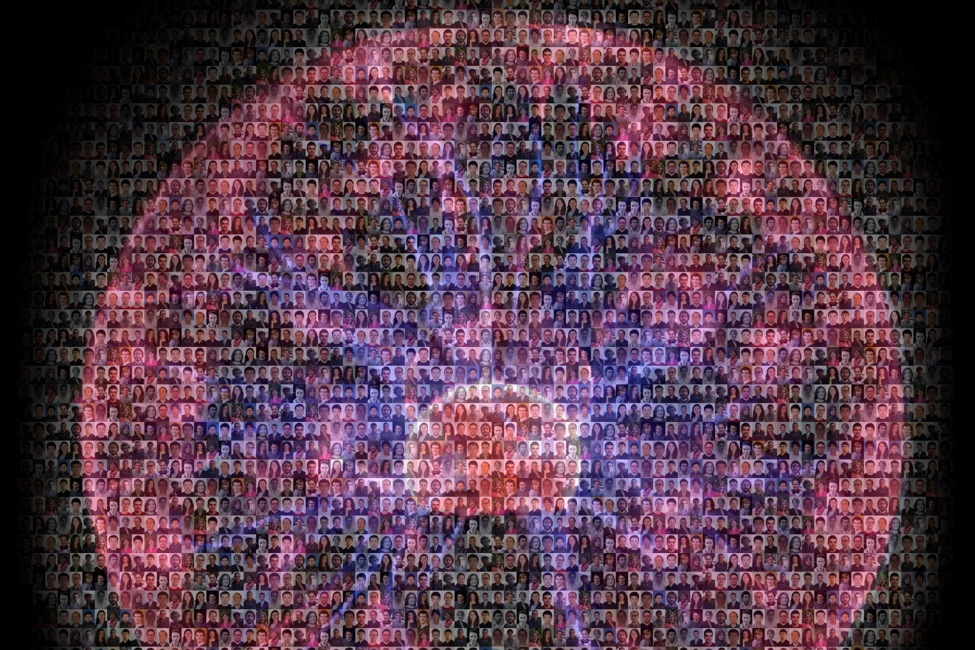
New evidence shows how well this model works. A recent study by the European Research Executive Agency (REA), based on responses from around 6,800 doctoral candidates and supervisors, found that more than nine in ten participants see added value in MSCA Doctoral Networks compared with other doctoral programs. MSCA graduates are also three times more likely than their non-MSCA peers to work in business or other non-academic sectors, and eight in ten supervisors said their project would not have been possible without MSCA funding.
The QUASAR Group at the University of Liverpool and the Cockcroft Institute has been part of this story for almost two decades. Since 2008, the Group has initiated and coordinated six MSCA training networks in accelerator science, all led by Professor Carsten P. Welsch:
- DITANET (2008 to 2012): beam diagnostics for particle accelerators
- LA3NET (2011 to 2015): laser applications for accelerators
- oPAC (2011 to 2015): optimization of particle accelerators
- OMA (2016 to 2020): optimization of medical accelerators
- AVA (2017 to 2021): accelerators validating antimatter research
- EuPRAXIA-DN (started 2023, ongoing): plasma accelerator research and training
Together, these networks have trained more than 100 Fellows and involved dozens of partner organizations from universities, research centers and industry. The Group has also hosted individual MSCA Fellows, who joined from institutions around the world to carry out their own research projects.
Prof Welsch commented: “MSCA has had enormous impact on my group’s research and me personally. It has allowed me to oversee the training of more than 100 Fellows over the years – and this has been transformational for European accelerator science and has helped improved postgraduate training standards more generally.
For me, its greatest success lies in the people. Seeing the Fellows develop into independent researchers and take their knowledge, curiosity and collaborations into the wider accelerator community and beyond. That legacy extends far beyond any individual project, and has significantly advanced our field.”
This experience has led to repeated invitations for Professor Welsch to speak as an expert at MSCA events, including the UKRO and UUKi MSCA event at University College London in June 2024; the More Than a PhD: The Added Value of MSCA Doctorates event, hosted by REA in Brussels in June 2026; and, most recently, the MSCA UK30: Curiosity That Crosses Borders event, hosted by UKRO in London in October 2026 as part of the anniversary celebrations.
Behind the numbers are the researchers themselves. What did they work on, what stayed with them, and where are they today? To mark the anniversary, we will be publishing a series of articles that follow the paths of former MSCA Fellows and look at how the fellowship shaped their careers. Keep an eye on our news page for the first stories.