
The annual training programme organised by the Central Laser Facility (CLF) provides new PhD students with hands-on experience in laser-plasma experimental techniques. This year the programme took place in March 2026, hosted by Queen’s University Belfast at the TARANIS laser facility.
The purpose of this programme is to train early PhD students with practical skills required in quality laser-plasma experimental methodology and support the developments of the next generation of laser-plasma researchers. Over a 2-week period, students participated in a combination of lectures, tutorials and laboratory sessions designed to introduce key techniques involved in planning and executing successful experiments.
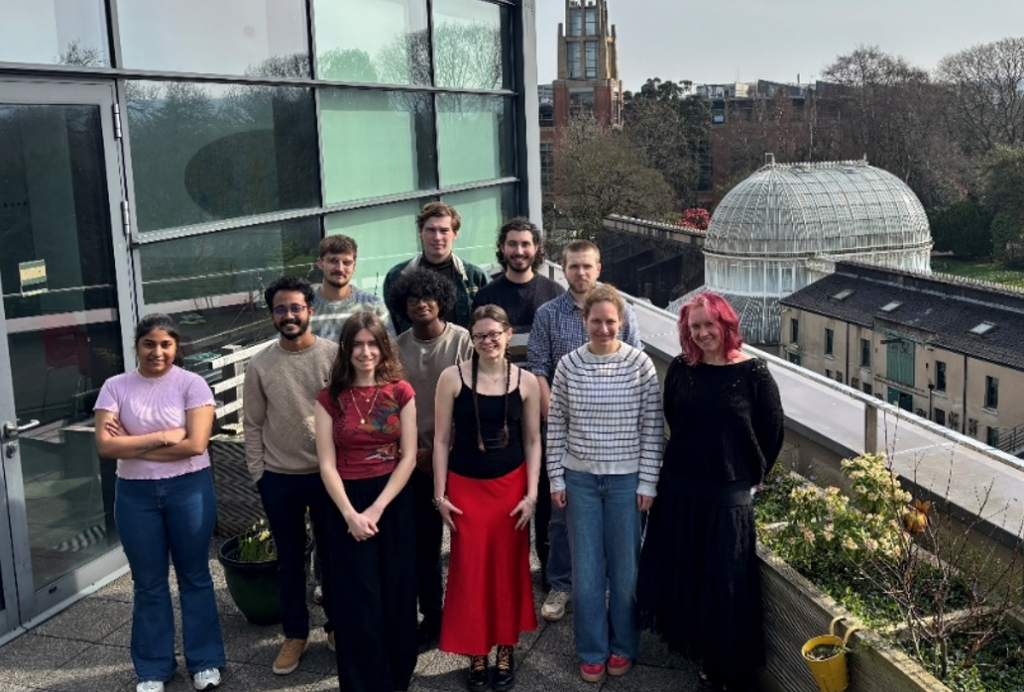
A total of 12 PhD students took part in the programme, divided into two groups to undertake dedicated laser-driven particle acceleration methodology training. Participants included students from the Cockcroft Institute, with representation from the University of Strathclyde and Lancaster University, alongside students from several other institutions. The training also provided a valuable opportunity for networking and collaboration between students working in related areas of laser–plasma physics.
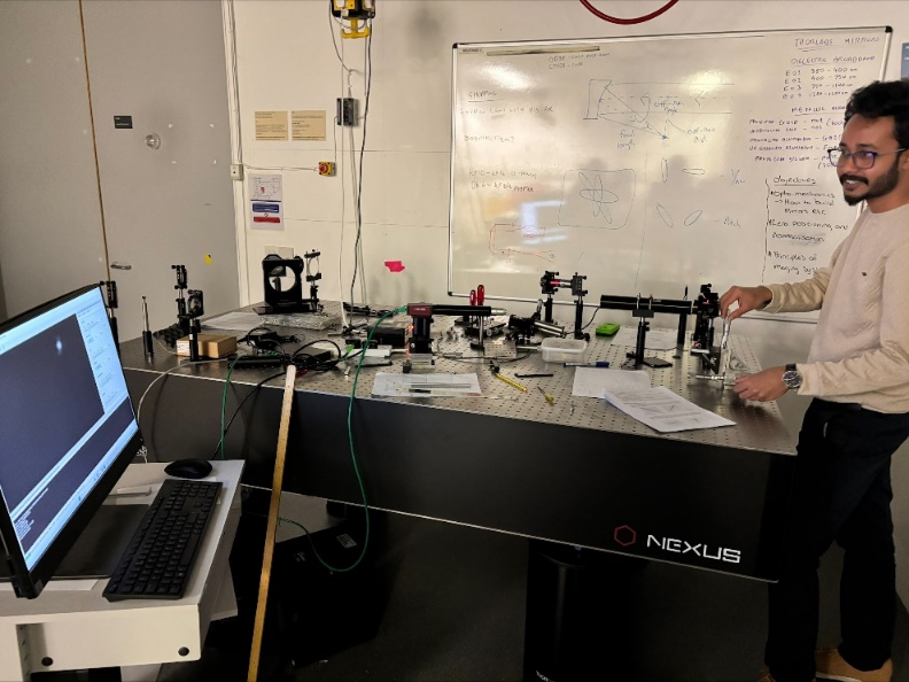
In the first week students took part in a series of interactive lectures and hands-on tutorials to introduce the fundamental theory and techniques used in laser-plasma experiments. In addition to this students participated in related practical tutorials introducing key experimental tools and techniques commonly used in laser facilities. These tutorials provided hands on experience with diagnostic equipment such as optical spectrometers, imaging systems and optical alignment techniques. The aim of these sessions was to ensure that they understood and developed their practical skills and experimental understanding required to prepare for a real high-power laser experiment in the following week of the training.
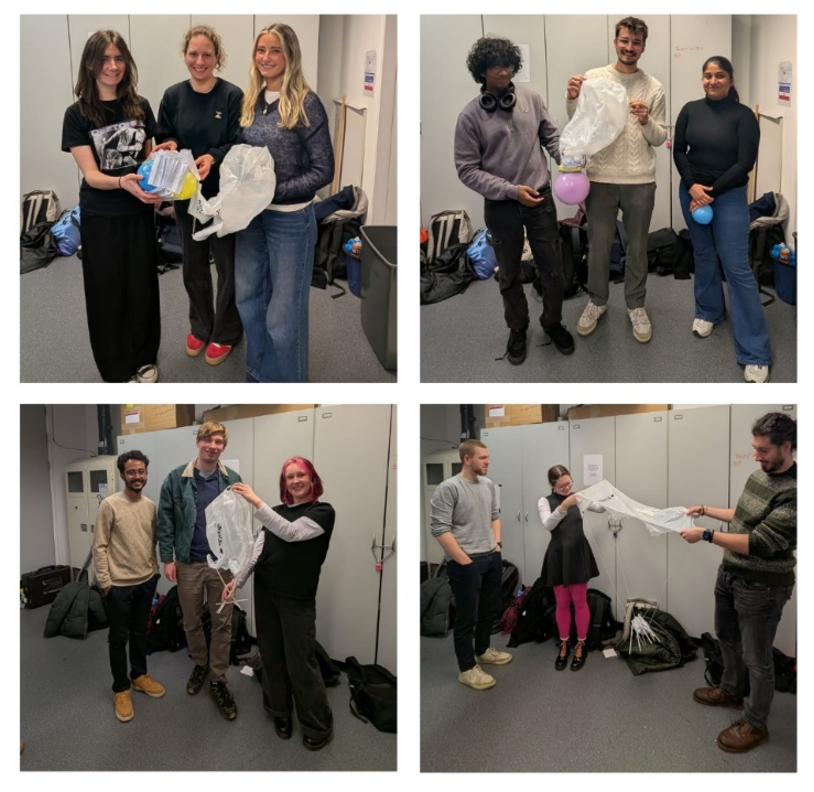
At the end of the first week students engaged in a fun team-building activity, the classic, egg-drop challenge. This was designed to strengthen teamwork and collaboration before undertaking an experiment. After a week of intense learning this activity provided a light-hearted and competitive way for students to work together and apply problem-solving skills. Impressively none of the team’s eggs broke, making this a success and an enjoyable “break” from the weeks technical training (though you wouldn’t want to break if you were the egg).
In the second week of the programme, the students applied the knowledge and practical skills gained during the first week. They were challenged to design and conduct their own laser–plasma experiment with the objective of generating and characterising laser-driven protons. Working under the supervision of experienced researchers, they were responsible for planning, implementing, and executing the experiment on the TARANIS laser system.
At the end of the training, students presented the results and conclusions of their experiment to researchers at Queens University Belfast. The final presentation provided the group with an opportunity to reflect on the experiment, discuss what had been accomplished, and gain experience communicating scientific results in a research environment.
This training course provides a rewarding opportunity for PhD students to meet others working in the field and build connections across different institutions. These interactions help strengthen collaboration within the laser-plasma community and support the development of early researchers.
Many thanks to the Central Laser Facility and the hosts at Queen’s University Belfast for organising such a valuable training programme. A big thank you also to the researchers and students who helped deliver the lectures, tutorials, experimental sessions, as well as those who ran the egg drop challenge.